
Signs that Lung or Heart Failure Treatment is Not Working
Cardiopulmonary is a medical term that essentially means “heart and lungs.” The human body has many systems that are closely interconnected. The cardiopulmonary system is one of them – and it can be affected by many diseases including Congestive Heart Failure (CHF), Coronary Artery Disease (CAD), Chronic Obstructive Pulmonary Disease (COPD), Asthma, Pulmonary Fibrosis, and Emphysema. Managing these illnesses can be frightening, debilitating, and exhausting for both the patient and their caregivers.
What are the signs of heart failure and lung disease getting worse.
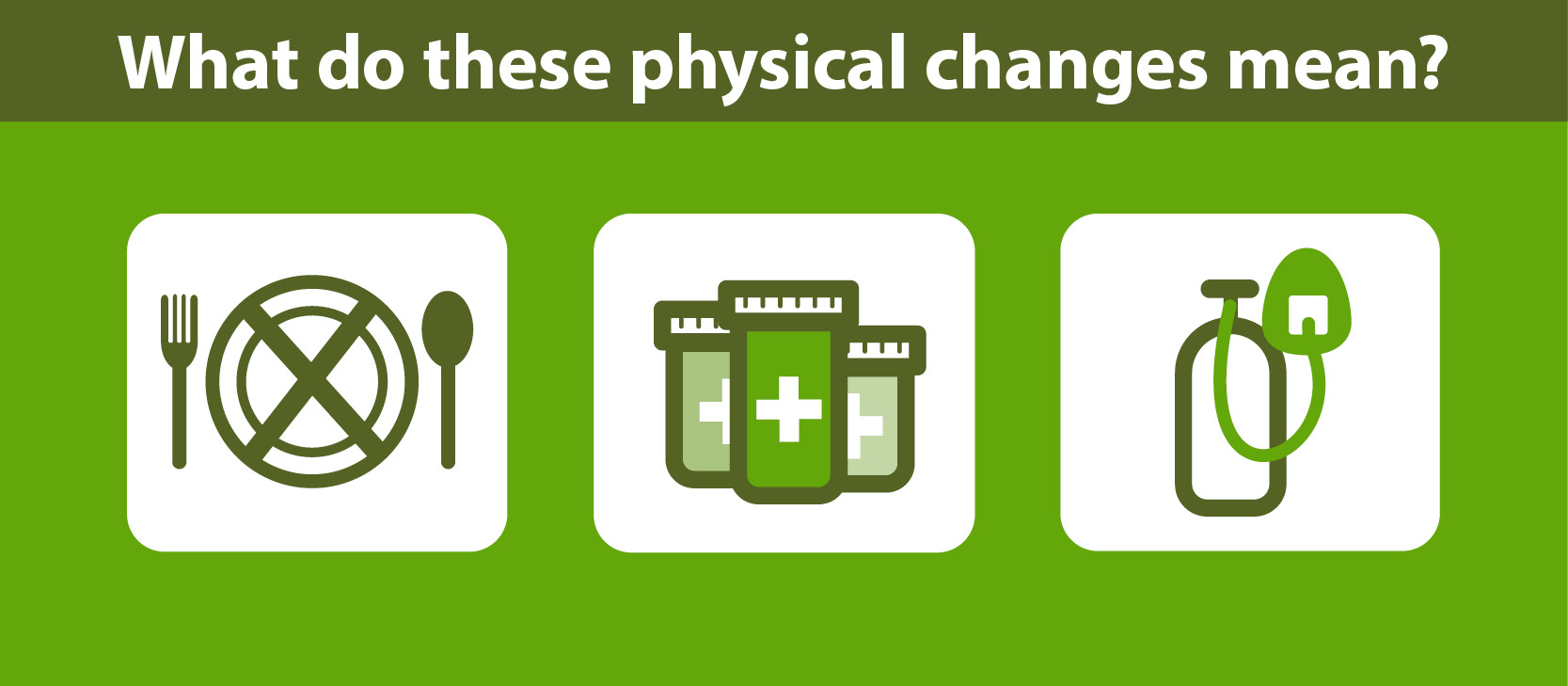
Understanding the warning signs of worsening heart failure and advanced lung disease symptoms is key to ensuring quality of life and comfort for cardiopulmonary patients. Hospice care can be the right option. Heart failure patients not eating, or sleeping more, can be indicators that their condition is progressing, and it is time to consider an evaluation. Other signs of advance symptoms may include:
- Shortness of breath
- Becoming too “winded” to eat or have long conversations
- Requiring oxygen or an increase in breathing treatments
- Coughing episodes
- Chest heaviness or chest pain
- Unable to lie flat, sleeping in a recliner or propped up with pillows
- Too tired to walk more than a few steps or can no longer walk at all
- Blueish tint around the mouth, fingers, or toes
- Hands and feet are cold to the touch or look “blotchy”
- Swelling of the hands, ankles and feet
- Frequent infections requiring repeated use of antibiotics
- Increased trips to the emergency room or repeat admissions to the hospital
- Treatments are less effective
When a patient with a cardiopulmonary disease is experiencing 3 or more of the above signs, hospice care could be a great benefit to the patient and family. Hospice is a healthcare option unlike any other. Hospice is not “giving up.” Hospice is hope and compassion. It provides support and guidance to everyone involved when lung or heart failure treatments aren’t working.
Benefits of hospice for advanced heart and lung disease symptoms.
Hospice care offers highly trained physicians and nurses provide pain and symptom control and education on what to expect. Social workers are knowledgeable in finding much-needed resources and can provide emotional support. Non-denominational chaplains offer non-judgmental spiritual support. Bereavement specialists have the ability to listen empathetically and connect you with available resources. Compassionate hospice aides can change bed linens and provide patients with a warm, thorough bath, relaxing shampoo, fingernail care or even provide a back rub or hold a hand.
Another benefit of hospice is respite care. “Caregiving batteries” can run down very quickly when caring for someone with advanced heart or lung disease symptoms. Respite care is designed to allow the caregiver to recharge their batteries by arranging for the patient to stay in a nursing facility for up to five consecutive days. This reprieve enables the caregiver to rest, attend a wedding or even take a road trip.
In the event a heart failure patient is sleeping more and not eating, or any of the other signs mentioned here, an evaluation is the first step in obtaining the information needed to decide what’s best. If you would like a hospice professional to determine if your loved one is eligible for hospice services, call Crossroads Hospice & Palliative Care. We can make a difference and we perform assessments 24 hours a day, 7 days a week, 365 days a year. Please call us at 888-603-6673.